Toilet Repairs in Northgate
Three faults account for most cistern trouble: the inlet valve that fills, the outlet valve that holds, and the seals that keep the joins dry. Toilet repairs Northgate homes book with us usually end the same way: a licensed plumber traces which part let go, swaps the worn rubber and stops the water in one visit.
If we're late, $100 comes off your bill

- Licensed and InsuredEvery job done by a licensed plumber. QBCC No: 15024607
- Fixed Quote FirstFlat-rate pricing, agreed before any work starts
- Lifetime Labour WarrantyBacked by our Fix-It-or-It's-Free guarantee (T&Cs apply)
- $0 Call-Out FeesNo extra charge for nights, weekends or public holidays
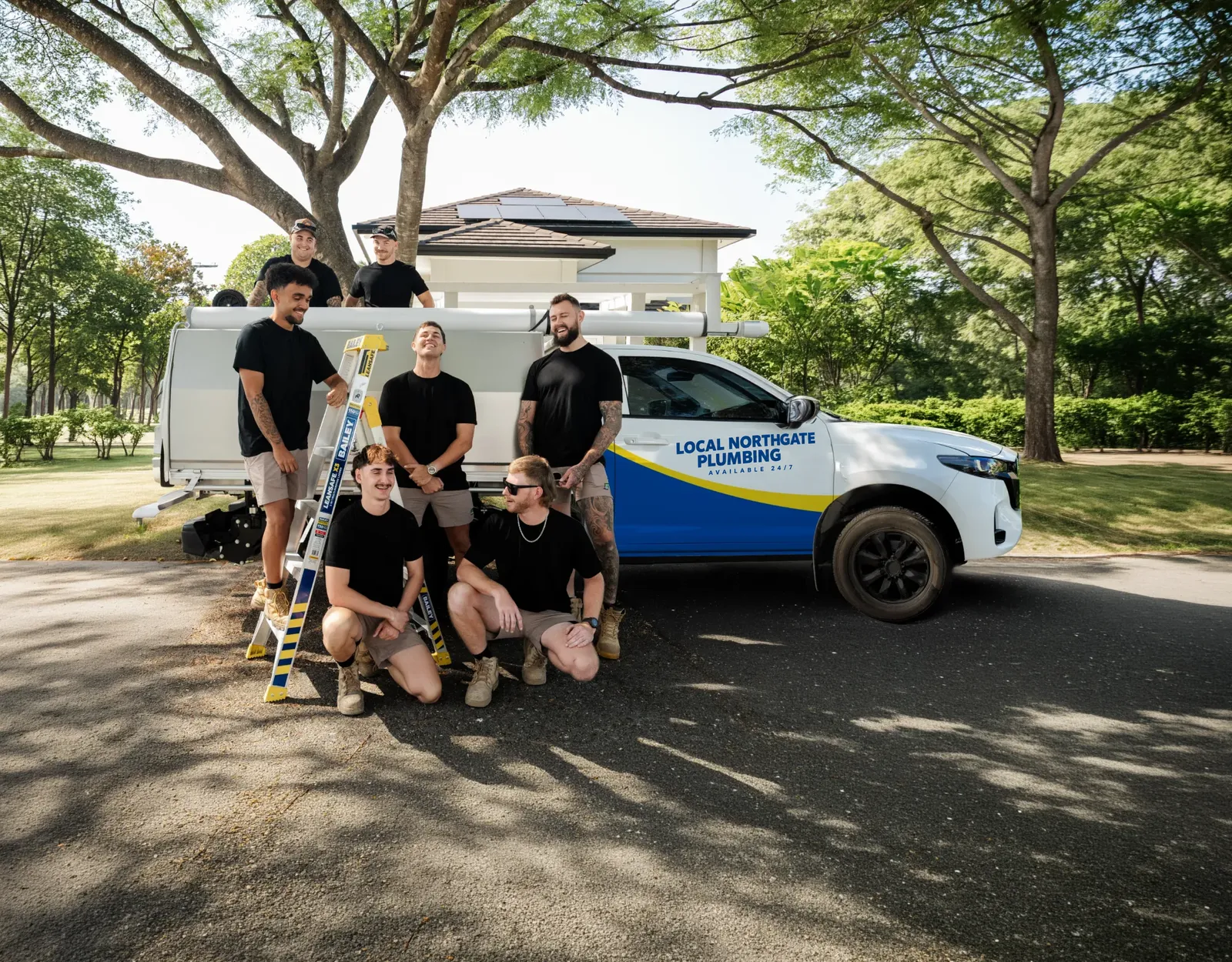
For everything else at the basin, our tap and toilet plumbing work covers the full fixture, and a dripping mixer beside the loo goes to tap repairs instead.
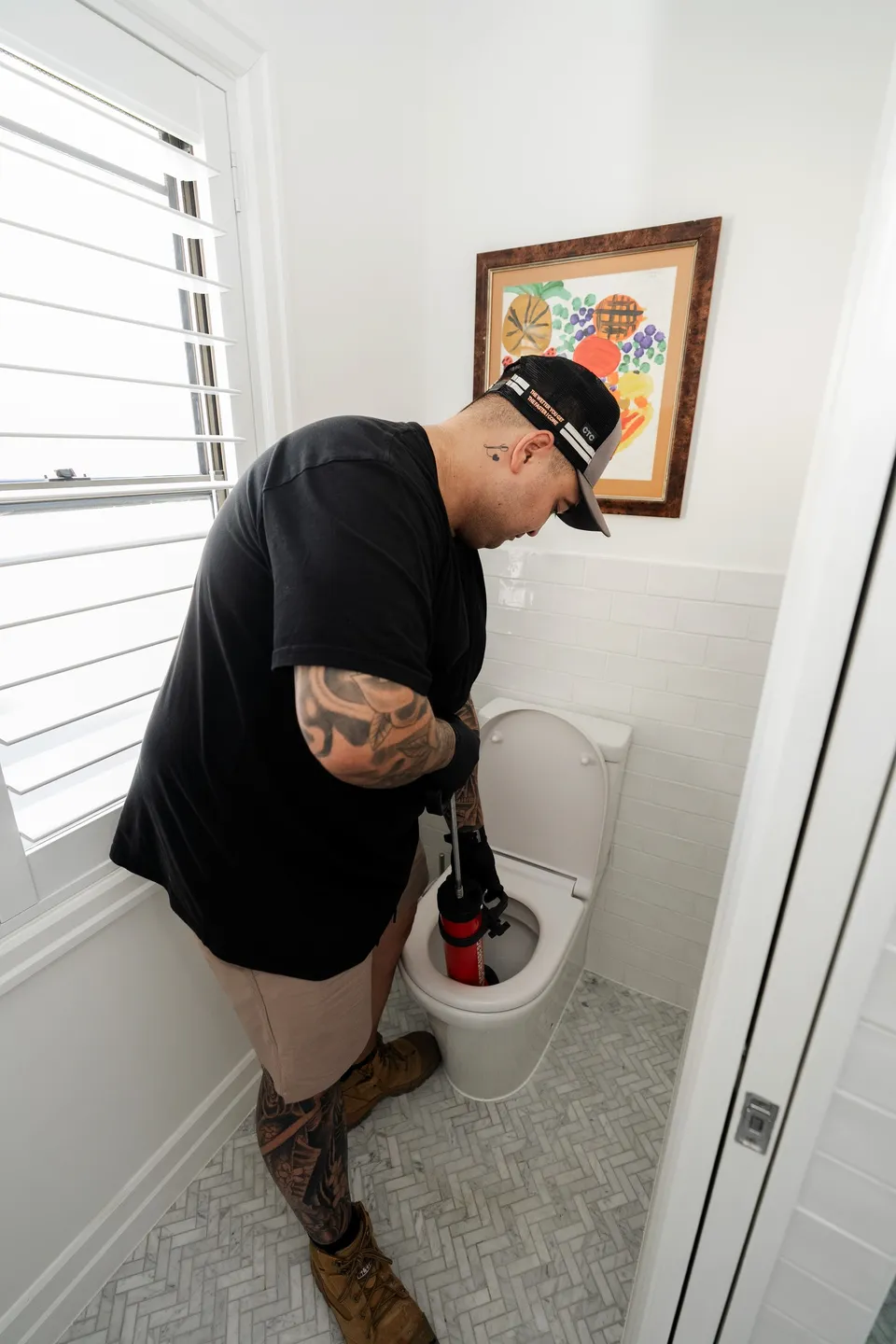
Inlet Valve, Outlet Valve and Float Explained
A cistern runs on a small set of parts, and each fails in its own way:
Inlet valve
fills the cistern after every flush, then shuts off once the float says full. Worn or clogged, it fills sluggishly or never stops.
Outlet valve
holds the water between flushes. Once its rubber wears thin, the cistern leaks past it into the pan and keeps topping itself up, so the loo runs.
Float
rides the water level and tells the inlet when to close. Set too low, it starves the flush.
Weak or partial flush
a cistern below its fill line, scale blocking the rim jets, or a button that sticks.
A cistern that won't fill usually points to a worn inlet, a float riding low, or a supply tap only partly open. Most running cisterns are cured by replacing the inlet and the outlet washer, as long as the porcelain itself is intact.

Silent Leaks and Sewer Smells
A leaking toilet shows itself in one of three spots, and the spot names the part:
Water at the pan base
the connector joining pan to drain, its rubber seal, or a hairline crack in the porcelain.
Water between cistern and pan
the rubber bridging the two has let go.
Water at the supply end
the small isolation tap on the feed, or its braided hose, weeping at a joint.
Sewer smell with no water showing
the pan-to-drain rubbers have hardened or shifted.
One plain check settles a silent leak. Drop some food colouring into the cistern and leave it unflushed for a while. Colour creeping into the pan means water is escaping, and a flush afterwards rinses it away, because the colouring doesn't stain ceramic. A plumber confirms from there which side the leak sits on.
Cistern Washers and the Licence Line
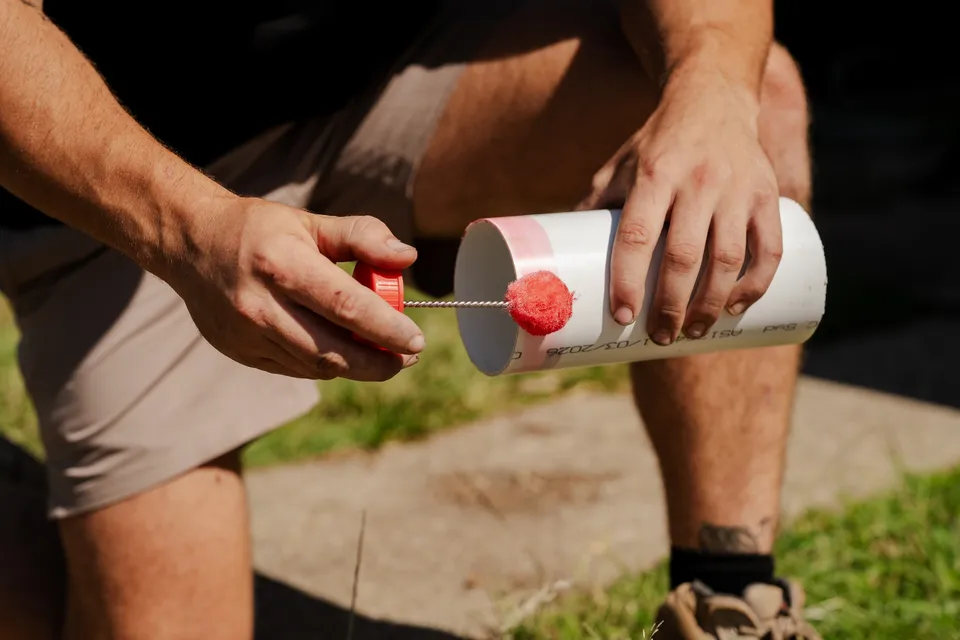
A householder may legally change just three cistern rubbers: the washer on the drop valve, the washer on the float valve and the suction cup rubber, all listed by the QBCC as unregulated work. Whoever does it, the finished job still has to reach the same standards.
Everything else on a loo sits on the licensed side: the QBCC classes any other toilet repair as minor work, a licensed plumber does it, no permit, no Form 4. That covers replacing valves, resealing connectors, fitting new buttons and resetting floats.
Rentals raise the stakes. Queensland tenancy rules treat a toilet that's out of action as an emergency repair, so it jumps the queue. The owner or manager carries the repair duty, and the tenant reports faults straight away.

What Affects the Cost of a Toilet Repair
The price depends on four things, and none of them can be judged over the phone:
Which part gave out
a washer costs a different job from a whole valve.
Whether the porcelain has split
a crack changes the job from repair to replacement.
How easily we reach the cistern and its isolation tap
tight laundries and tiled-over fittings add labour.
How many components get swapped
bundled parts move one quote, not four.
Cracked porcelain is where mending stops, since no washer fixes a broken pan. A loo that lands back on the fix-it list every few months is often better swapped than patched again, and we say so plainly when the evidence points that way. Any new suite going in needs WaterMark certification and registration with the Water Efficiency Labelling and Standards scheme before it can legally be installed.
If the basin tapware is ageing too, our tap replacement page walks through when a full swap beats another service. You see the price in writing before any work starts, as a fixed quote built after we've inspected on site.
Old Cisterns and Tight Laundries
The housing stock here spans weatherboard cottages from the 1910s through postwar brick family homes and threaded unit blocks, with industrial land beside Northgate and Bindha stations breaking up the grid. Cisterns in the older cottages sit hard against tiled walls with decades of paint around them, while the unit blocks tuck bathrooms into shared service shafts. Access changes from house to house, so the same repair takes a different route on different days.
How Your Toilet Repair Visit Runs
- 1

Tell us what's happening
Call (07) 3523 7172 or send the form with a few details about the problem in Northgate. A clear description helps us bring the right parts.
- 2
We lift the lid off the cistern
Your plumber checks the inlet, the outlet and the float first, then traces any leak back to the connector, the seals or the supply feed. Most faults show themselves within minutes, and we talk you through what we find before anything comes apart.
- 3
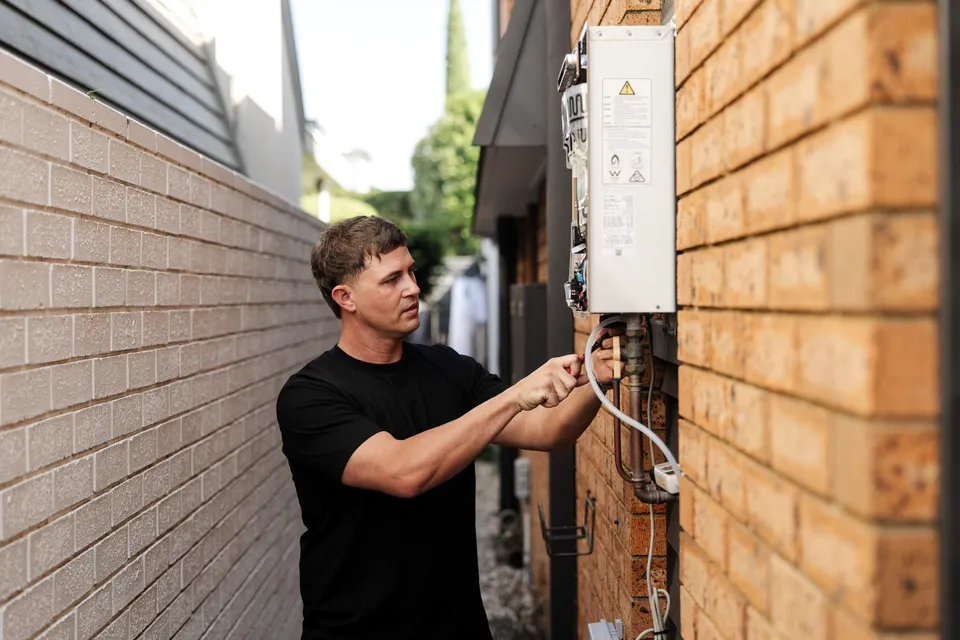
Approve a fixed price
You get a fixed quote before any work starts, with flat-rate pricing and no hidden fees. Nothing goes ahead until you say yes.
- 4

Pay when it's finished
Pay by card or EFTPOS on site once the job's done, or ask about Fix now, pay later.
Plumbing job in Northgate?
$0 call-out fees, available 24/7, and same-day where we can.
Questions About Toilet Repairs
Call (07) 3523 7172What are the three common faults in a cistern toilet?
Three parts fail most often: an inlet valve, an outlet valve and the rubber seals. The inlet valve tops the cistern up after a flush, the outlet valve holds water between flushes, and the seals keep things dry where pan meets drain. Each fault shows its own symptom: never filling, running on, or leaking.
Why does my toilet keep running after a flush?
Usually the washer on the outlet valve. Once it wears, water creeps into the pan and the cistern refills itself non-stop; the other cause is an inlet valve that never shuts off. Either way, the wasted water lands on your Urban Utilities bill.
Why does my toilet smell of sewage?
Usually the rubbers that seal the pan to its drain have hardened, perished or shifted. Those rubbers keep sewer gas out of the room, so a failed one lets the smell through. A plumber checks them, along with the connector.
Why won't my toilet flush properly?
Usually one of three things: a cistern sitting below its fill line, jet holes under the rim clogged with scale, or a flush mechanism that sticks. A button that jams halfway is the common one on older postwar suites.
Does the water utility cover a leaking cistern?
No, the concealed leak adjustment excludes water lost through a leaking toilet cistern, taps, hot water systems and similar appliances. Urban Utilities looks after the mains up to your meter; everything past it, including that cistern, is the owner's to fix.

Call Us About a Running ToiletWe'll call you back.
Call (07) 3523 7172 to book a plumber in Northgate. We're available 24/7, with $0 call-out fees, flat-rate pricing and same-day where we can.
To claim your $0 call-out fee, call (07) 3523 7172 today.